What Your Car Needs Besides an Oil Change at 30K, 60K, and 90K Miles


August 17, 2026

Oil changes get most of the attention when people think about car maintenance, but they are only one part of the picture. By the time a vehicle reaches 30,000, 60,000, or 90,000 miles, several other fluids, filters, ignition parts, belts, tires, and drivetrain components may be due for service or at least deserve a closer look.


Those mileage points are useful checkpoints, but they are not universal replacement deadlines. Every manufacturer has its own schedule, and the exact requirements can change with the engine, transmission, drivetrain, and driving conditions. A good maintenance visit starts with the factory schedule and the vehicle's service history rather than a generic package.


What to Check Around 30,000 Miles


At 30,000 miles, many vehicles are still fairly young, but some original filters and fluids may already be approaching their first service interval. This is also a good time to establish a baseline if the vehicle was purchased and used and its early maintenance history is incomplete.


Depending on the model, service may include:


  • Engine air filter replacement
  • Cabin air filter replacement
  • Tire rotation and pressure check
  • Brake condition check
  • Battery and charging system test
  • Fluid level and leak check
  • Steering and suspension inspection


Some vehicles also call for brake fluid, transmission fluid, differential fluid, or transfer case service around this mileage. These should be confirmed through manufacturer information instead of being added automatically.


What Often Comes Up Around 60,000 Miles


By 60,000 miles, wear becomes more noticeable in parts that have spent years dealing with heat, vibration, and thousands of operating cycles. Spark plugs may be due on some engines, while others use long-life plugs that remain in service much longer.


Transmission service also becomes an important topic around this point. Certain manufacturers specify fluid replacement at or near 60,000 miles, especially for vehicles used in demanding conditions. Others use longer intervals. If the vehicle has all-wheel drive or four-wheel drive, the transfer case and differentials may have separate lubricants with their own schedules.


The drive belt deserves a careful look too. Newer belt materials do not always develop obvious cracks as they wear, so rib condition, contamination, tension, and pulley operation all need to be considered.


What to Expect Near 90,000 Miles


At 90,000 miles, the vehicle is entering a stage where scheduled service and age-related wear begin to overlap. Rubber components such as hoses, mounts, bushings, and seals have gone through years of heating and cooling even if they still look acceptable at a glance.


Spark plugs are due by this point on many vehicles, and cooling system service may also be required. Some engines use timing belts that have a mileage or time limit near this range. If that belt drives the camshafts, allowing it to fail can cause serious internal engine damage on certain designs.


This is also a useful time to look closely at wheel bearings, shocks, struts, CV boots, steering joints, and engine or transmission mounts. These parts are usually replaced according to condition rather than simply because the odometer reached 90,000 miles.


Do Not Forget the Fluids Outside the Engine


A vehicle can have fresh engine oil and still be overdue for several other important fluids. Automatic transmission fluid, brake fluid, coolant, differential oil, and transfer case fluid all perform jobs that engine oil cannot.


Fluid service may be based on mileage, time, operating conditions, or a combination of all three. Brake fluid, for example, can absorb moisture over time even when the vehicle is driven very little. Drivetrain lubricants experience heat and gear wear, while coolant gradually loses some of the additives that protect the cooling system internally.


The correct fluid specification is important. Modern transmissions and AWD systems can be sensitive to using the wrong product, so choosing a fluid because it looks similar or has the same general viscosity can create expensive problems.


Tires, Brakes, and Suspension Need Their Own Schedule


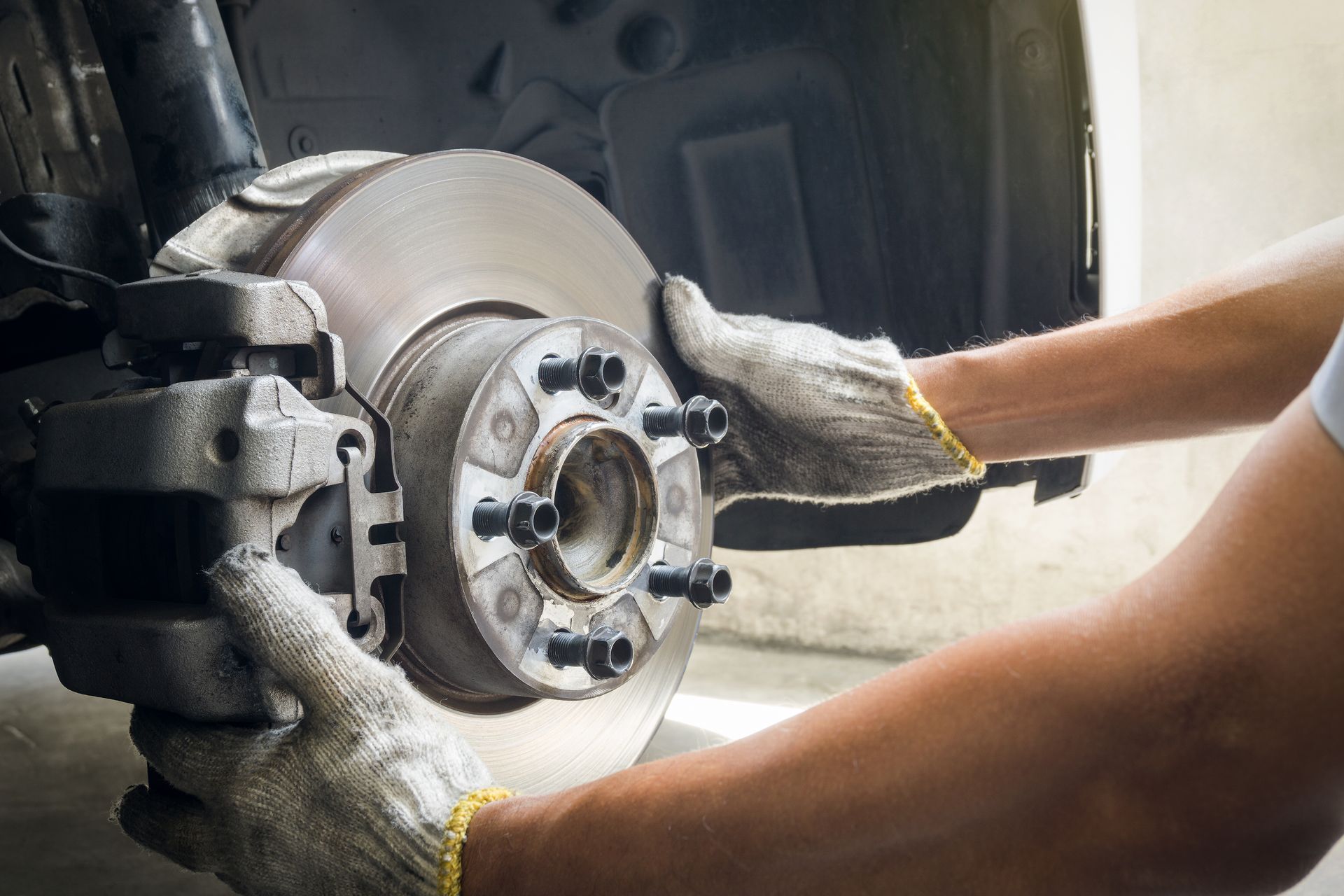
Tires and brakes do not follow neat 30K, 60K, and 90K replacement intervals. Their life depends heavily on traffic, road conditions, driving style, vehicle weight, alignment, and tire pressure.


A driver who spends most of the week on the highway may get considerably more brake life than someone commuting through stop-and-go traffic. Tires can wear early because of alignment or suspension problems even when tread depth looked good at the last oil change.


Regular maintenance should include actual measurements where possible. Brake pad thickness, tire tread depth, battery test results, and visible suspension wear tell you much more than mileage alone.


Driving Conditions Can Change the Plan


Factory maintenance schedules often distinguish between normal and severe operating conditions. Frequent short trips, towing, extended idling, dusty roads, mountain driving, and heavy traffic can shorten the useful life of certain fluids and parts.


Short trips are a good example. The engine may rarely stay hot long enough to evaporate moisture and fuel contamination, even though annual mileage remains low. Towing can raise transmission and differential temperatures, while dusty roads can load an engine air filter sooner than expected.


That is why two vehicles with the same mileage may need different service plans. The odometer starts the conversation, but the way the vehicle has been used helps determine what should happen next.


Use the Mileage Checkpoints as Planning Tools


The best way to approach 30K, 60K, and 90K service is to review what has already been done, compare it with the manufacturer’s schedule, and then look at the vehicle’s current condition.


A complete inspection can help separate overdue service from components that still have useful life remaining. Good records make this process easier because they show when fluids, filters, spark plugs, brakes, and other parts were last serviced.


Get 30K, 60K, and 90K Maintenance in Lynden, WA, With Marlin's Auto Service


Marlin's Auto Service in Lynden, WA, can review your vehicle's maintenance history, factory schedule, mileage, and current condition. We can check fluids, filters, brakes, tires, spark plugs, belts, suspension, and drivetrain service needs so you know what is actually due.


Contact us to schedule your next mileage-based maintenance visit.

By Marlin's Auto Service April 20, 2026
When your car starts making a popping noise as you press the gas and the power delivery feels rough or weak, it can be both annoying and worrying.  A healthy car should accelerate smoothly without strange sounds. Popping noises usually mean something is not working the way it should, and the loss of smooth power […] The post Car Makes Popping Noise When Accelerating and Loses Smooth Power appeared first on Marlin’s Auto Service.
By Marlin's Auto Service March 14, 2026
When you notice wet spots near a wheel that smell sharp or oily, it is not something to ignore. Brake fluid leaking near a wheel is a serious warning sign. Your brakes rely on sealed pressure to stop your car.  Once that pressure drops, braking power fades fast. Many drivers think small leaks are harmless, […] The post Brake Fluid Leaking Near Wheel Causes That Can Lead to Brake Failure appeared first on Marlin’s Auto Service.
By Marlin's Auto Service February 13, 2026
If you own a diesel vehicle and use synthetic oil, you’re already making a smart move to protect your engine. But even the best oil doesn’t last forever. So the big question is: how often should you change synthetic oil in a diesel engine? Let’s break this down in simple terms. No confusing jargon. Just […] The post Synthetic Oil in Diesel How Often Should You Change It appeared first on Marlin’s Auto Service.
By Marlin's Auto Service January 14, 2026
Your car’s engine needs coolant just like your body needs water. Without it, the engine can get too hot and start to break down.  Coolant leaks may start small, but if you don’t catch them early, they can lead to serious engine problems.  In this article, we’ll break down the common warning signs of coolant […] The post Warning Signs and Fixes for Coolant Leak Symptoms appeared first on Marlin’s Auto Service.
By Marlin's Auto Service December 15, 2025
When you think about car safety, seat belts, airbags, and brakes might come to mind first. But what about your tires? They play a huge role in keeping you safe on the road.  A problem like a bubble in your tire might not seem like a big deal, but it can turn into a serious […] The post How to Detect a Bubble in Tire Before It Bursts appeared first on Marlin’s Auto Service.
By Marlin's Auto Service November 14, 2025
If you’re driving and suddenly see the ABS light pop up on your dashboard, it can be a little scary.  Don’t worry—your brakes haven’t completely failed. But that light is trying to tell you something important. It’s linked to your Anti-lock Braking System (ABS), a safety feature that helps you stop safely without skidding or […] The post How to Diagnose and Clear an ABS Light Meaning Error Code appeared first on Marlin’s Auto Service.
By Marlin's Auto Service October 14, 2025
Your car’s windshield is more than just a piece of glass; it’s a critical safety feature. It protects you from external elements, maintains the structural integrity of your vehicle, and provides clear visibility.  But what happens when it gets cracked? Should you ignore it, repair it, or replace it altogether?  In this guide, we’ll walk […] The post When and How to Repair a Cracked Windshield appeared first on Marlin’s Auto Service.
By Marlin's Auto Service September 12, 2025
Brakes are one of the most critical components of your vehicle’s safety system. When they start acting up, it’s essential to understand the issue and take quick action.  One common problem that many drivers face but might not fully understand is “glazed brakes.”  This blog post will dive into what glazed brakes are, how they […] The post What Are Glazed Brakes and How to Address Them appeared first on Marlin’s Auto Service.
July 14, 2025
Your car’s air conditioning system is a lifesaver during hot summer days, but it can be concerning when it starts making strange noises, like a hissing
June 13, 2025
The constant velocity (CV) joint is a critical component in a vehicle's drivetrain system. It allows the front wheels to receive power from the engine
Show More