Brake Fluid Leaking Near Wheel Causes That Can Lead to Brake Failure


Marlin's Auto Service

March 14, 2026

When you notice wet spots near a wheel that smell sharp or oily, it is not something to ignore. Brake fluid leaking near a wheel is a serious warning sign. Your brakes rely on sealed pressure to stop your car. 

Once that pressure drops, braking power fades fast. Many drivers think small leaks are harmless, but brake fluid loss can turn a normal stop into a frightening moment.

This guide explains the real causes of brake fluid leaks near the wheel, how they develop, and why they can lead to brake failure if left alone. The goal is simple: help you spot the danger early and protect your safety on the road.

Why Brake Fluid Leaks Near the Wheel Are Dangerous

Brake systems work by pushing fluid through lines to apply force at each wheel. When fluid escapes, pressure drops. Less pressure means weaker braking. If the leak grows, the brake pedal may sink, feel soft, or fail to stop the vehicle at all.

Leaks near the wheel are especially risky because they affect one brake directly. This creates uneven braking, pulling to one side, longer stopping distance, and loss of control during emergency stops.

Worn or Damaged Brake Hoses

Brake hoses connect the solid brake lines to the wheel assembly. These hoses flex every time the suspension moves. Over time, heat, road salt, and debris weaken the rubber.

Cracks form inside or outside the hose. Fluid slowly seeps out, often leaving a damp ring behind the tire. When pressure rises during braking, the leak worsens.

Signs of hose failure include:

  • Wet areas near the inner wheel
  • A soft brake pedal
  • Pulling during braking

Once a hose starts leaking, it cannot be repaired. Replacement is the only safe fix.

Corroded Brake Lines Near the Wheel

Metal brake lines carry fluid from the master cylinder to each wheel. In areas with moisture or winter road salt, these lines rust. The sections near the wheel are most exposed.

Rust weakens the metal until pinholes form. At first, the leak may appear only during hard braking. Later, fluid drips even when parked.

Common warning signs:

  • Rust flakes on brake lines
  • Sudden fluid loss
  • Brake warning light

A corroded brake line can burst without warning. This often causes sudden brake failure while driving.

Leaking Brake Caliper

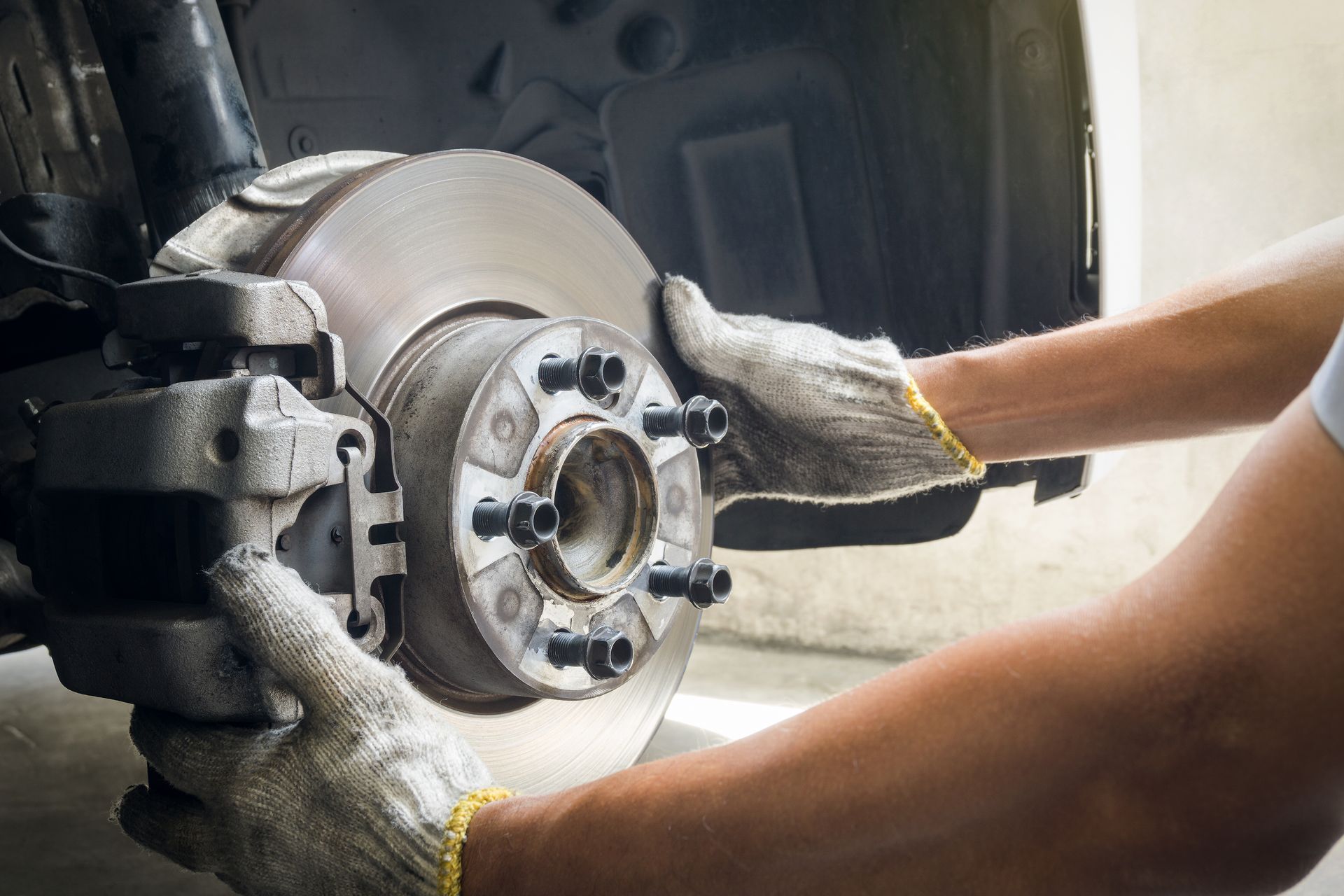
Disc brake systems use calipers to squeeze brake pads against the rotor. Inside the caliper is a piston sealed by rubber rings. These seals keep brake fluid inside while allowing movement.

Age, heat, and contamination damage these seals. Fluid leaks out and coats the caliper and wheel area.

What drivers notice:

  • Fluid on the inside of the wheel
  • Reduced braking on one side
  • Burning smell after driving

A leaking caliper often causes uneven pad wear and rotor damage. Driving with this issue risks total brake loss on that wheel.

Failed Wheel Cylinder on Drum Brakes

Vehicles with rear drum brakes use wheel cylinders instead of calipers. These cylinders push brake shoes outward using hydraulic pressure.

The rubber cups inside the wheel cylinder wear down. Fluid leaks into the drum and eventually onto the wheel area.

Key symptoms include:

  • Brake fluid inside the drum
  • Weak rear braking
  • Parking brake losing hold

Wheel cylinder leaks reduce stopping power and contaminate brake shoes, making replacement more expensive if delayed.

Loose or Damaged Brake Line Fittings

Brake lines connect using threaded fittings. Vibration, improper repairs, or corrosion can loosen these connections.

Even a slightly loose fitting allows fluid to escape under pressure. The leak may appear small but grow quickly during driving.

Look for:

  • Wet fittings near the wheel
  • Fluid spray patterns
  • Brake pedal dropping slowly

Tightening may not solve the issue if threads or seals are damaged. Replacing the fitting or line is often required.

Cracked Bleeder Valve

Bleeder valves allow air removal during brake service. These small screws sit on calipers or wheel cylinders.

Overtightening or rust can crack the valve. Fluid leaks slowly around the threads.

Signs include:

  • Moisture near the bleeder screw
  • Air entering the brake system
  • Spongy pedal feel

A damaged bleeder valve should be replaced right away to restore proper braking pressure.

Improper Brake Repairs

Brake work done without proper tools or care often leads to leaks. Twisted hoses, cross-threaded fittings, or reused old seals can fail soon after service.

Common mistakes include:

  • Reusing worn copper washers
  • Overbending brake lines
  • Installing low-quality parts

Leaks caused by poor repairs may not show up immediately. They often appear days or weeks later under normal driving.

Contaminated Brake Fluid

Brake fluid absorbs moisture over time. Water contamination corrodes internal parts, weakens seals, and raises the chance of leaks.

Moisture also lowers the fluid’s boiling point. During hard braking, vapor forms and reduces pressure.

Warning signs:

  • Dark or cloudy brake fluid
  • Corrosion near wheel components
  • Brake fade during long drives

Regular fluid changes help prevent seal failure and leaks.

How Brake Fluid Leaks Lead to Brake Failure

Brake systems rely on sealed pressure. When fluid leaks near a wheel:

  • Pressure drops in that brake circuit
  • Pedal travel increases
  • Stopping distance grows
  • Brakes pull unevenly

If fluid loss continues, air enters the system. Air compresses, unlike fluid. This causes sudden brake failure with little warning.

In severe cases, the brake pedal may go to the floor with almost no stopping power.

What to Do If You See Brake Fluid Near a Wheel

Do not ignore the leak. Even small leaks can turn dangerous fast.

Immediate steps:

  • Check the brake fluid reservoir
  • Avoid driving if the level is low
  • Do not rely on topping off fluid
  • Have the vehicle inspected as soon as possible

Driving with a brake fluid leak risks your safety and the safety of others.

Preventing Brake Fluid Leaks

Prevention saves money and lives. Simple habits reduce the risk of brake failure.

Best practices:

  • Inspect brake lines and hoses during tire rotations
  • Replace brake fluid at recommended intervals
  • Use quality parts during brake repairs
  • Address warning signs early

Brake systems rarely fail without warning. Leaks near the wheel are one of the clearest signals that action is needed.

Final Thoughts

Brake fluid leaking near a wheel is never normal. It signals a problem that can grow quickly and lead to brake failure. Worn hoses, corroded lines, leaking calipers, and damaged wheel cylinders are common causes, yet all are preventable with proper care.

Your brakes are your car’s most important safety system. When fluid shows up where it should not be, take it seriously. Acting early can mean the difference between a safe stop and a dangerous situation on the road.

By Marlin's Auto Service April 20, 2026
When your car starts making a popping noise as you press the gas and the power delivery feels rough or weak, it can be both annoying and worrying.  A healthy car should accelerate smoothly without strange sounds. Popping noises usually mean something is not working the way it should, and the loss of smooth power […] The post Car Makes Popping Noise When Accelerating and Loses Smooth Power appeared first on Marlin’s Auto Service.
By Marlin's Auto Service February 13, 2026
If you own a diesel vehicle and use synthetic oil, you’re already making a smart move to protect your engine. But even the best oil doesn’t last forever. So the big question is: how often should you change synthetic oil in a diesel engine? Let’s break this down in simple terms. No confusing jargon. Just […] The post Synthetic Oil in Diesel How Often Should You Change It appeared first on Marlin’s Auto Service.
By Marlin's Auto Service January 14, 2026
Your car’s engine needs coolant just like your body needs water. Without it, the engine can get too hot and start to break down.  Coolant leaks may start small, but if you don’t catch them early, they can lead to serious engine problems.  In this article, we’ll break down the common warning signs of coolant […] The post Warning Signs and Fixes for Coolant Leak Symptoms appeared first on Marlin’s Auto Service.
By Marlin's Auto Service December 15, 2025
When you think about car safety, seat belts, airbags, and brakes might come to mind first. But what about your tires? They play a huge role in keeping you safe on the road.  A problem like a bubble in your tire might not seem like a big deal, but it can turn into a serious […] The post How to Detect a Bubble in Tire Before It Bursts appeared first on Marlin’s Auto Service.
By Marlin's Auto Service November 14, 2025
If you’re driving and suddenly see the ABS light pop up on your dashboard, it can be a little scary.  Don’t worry—your brakes haven’t completely failed. But that light is trying to tell you something important. It’s linked to your Anti-lock Braking System (ABS), a safety feature that helps you stop safely without skidding or […] The post How to Diagnose and Clear an ABS Light Meaning Error Code appeared first on Marlin’s Auto Service.
By Marlin's Auto Service October 14, 2025
Your car’s windshield is more than just a piece of glass; it’s a critical safety feature. It protects you from external elements, maintains the structural integrity of your vehicle, and provides clear visibility.  But what happens when it gets cracked? Should you ignore it, repair it, or replace it altogether?  In this guide, we’ll walk […] The post When and How to Repair a Cracked Windshield appeared first on Marlin’s Auto Service.
By Marlin's Auto Service September 12, 2025
Brakes are one of the most critical components of your vehicle’s safety system. When they start acting up, it’s essential to understand the issue and take quick action.  One common problem that many drivers face but might not fully understand is “glazed brakes.”  This blog post will dive into what glazed brakes are, how they […] The post What Are Glazed Brakes and How to Address Them appeared first on Marlin’s Auto Service.
July 14, 2025
Your car’s air conditioning system is a lifesaver during hot summer days, but it can be concerning when it starts making strange noises, like a hissing
June 13, 2025
The constant velocity (CV) joint is a critical component in a vehicle's drivetrain system. It allows the front wheels to receive power from the engine
May 14, 2025
Does your car's air conditioning system greet you with an unpleasant smell every time you turn it on? Bad odours from the AC system are not only
Show More