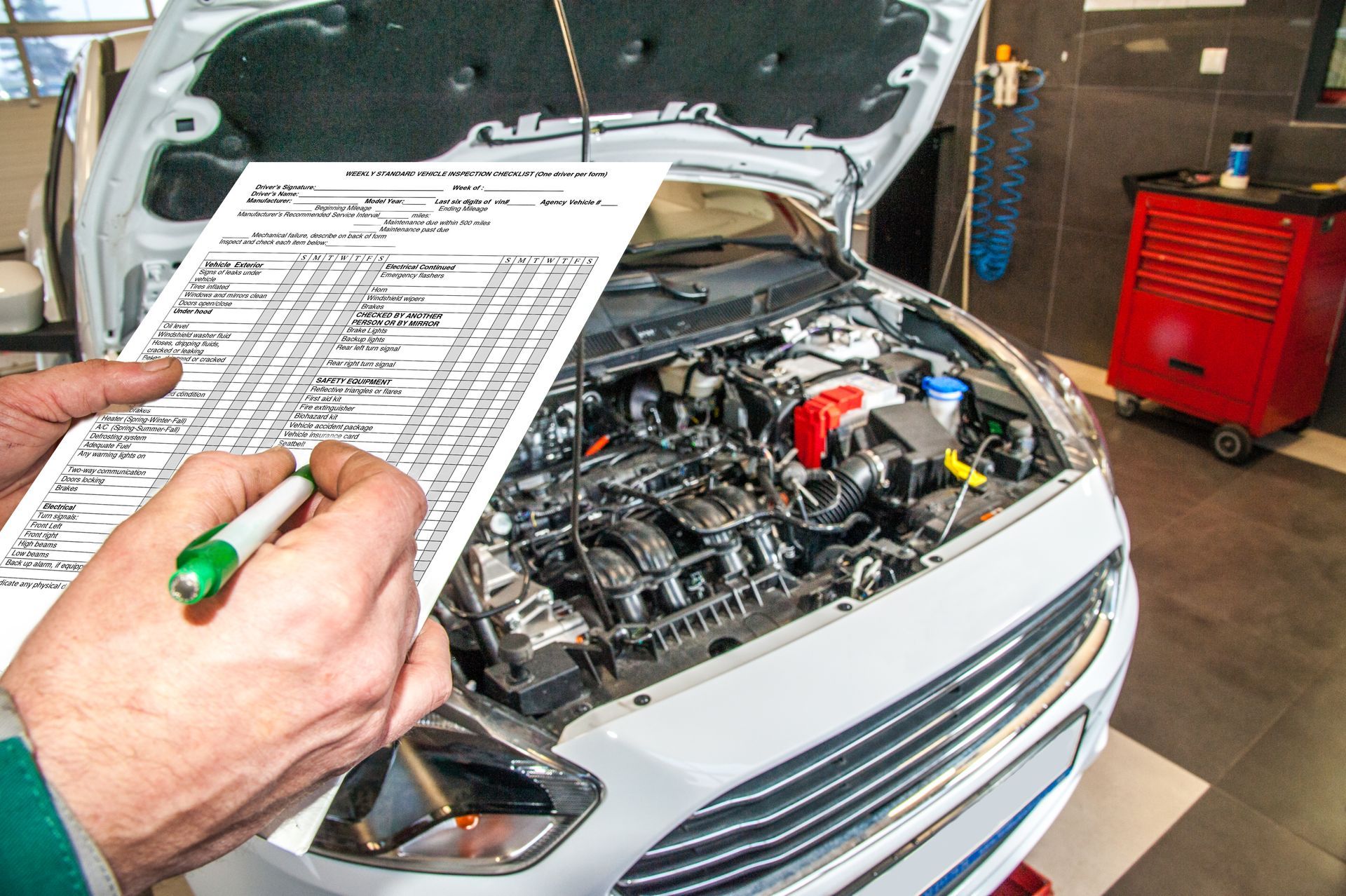
Marlin's Auto Service in Lynden, WA, explains maintenance needs beyond oil changes at key mileage intervals.
When your car starts making a popping noise as you press the gas and the power delivery feels rough or weak, it can be both annoying and worrying. A healthy car should accelerate smoothly without strange sounds. Popping noises usually mean something is not working the way it should, and the loss of smooth power […]
The post Car Makes Popping Noise When Accelerating and Loses Smooth Power appeared first on Marlin’s Auto Service.
When you notice wet spots near a wheel that smell sharp or oily, it is not something to ignore. Brake fluid leaking near a wheel is a serious warning sign. Your brakes rely on sealed pressure to stop your car. Once that pressure drops, braking power fades fast. Many drivers think small leaks are harmless, […]
The post Brake Fluid Leaking Near Wheel Causes That Can Lead to Brake Failure appeared first on Marlin’s Auto Service.
If you own a diesel vehicle and use synthetic oil, you’re already making a smart move to protect your engine. But even the best oil doesn’t last forever. So the big question is: how often should you change synthetic oil in a diesel engine? Let’s break this down in simple terms. No confusing jargon. Just […]
The post Synthetic Oil in Diesel How Often Should You Change It appeared first on Marlin’s Auto Service.
Your car’s engine needs coolant just like your body needs water. Without it, the engine can get too hot and start to break down. Coolant leaks may start small, but if you don’t catch them early, they can lead to serious engine problems. In this article, we’ll break down the common warning signs of coolant […]
The post Warning Signs and Fixes for Coolant Leak Symptoms appeared first on Marlin’s Auto Service.
When you think about car safety, seat belts, airbags, and brakes might come to mind first. But what about your tires? They play a huge role in keeping you safe on the road. A problem like a bubble in your tire might not seem like a big deal, but it can turn into a serious […]
The post How to Detect a Bubble in Tire Before It Bursts appeared first on Marlin’s Auto Service.
If you’re driving and suddenly see the ABS light pop up on your dashboard, it can be a little scary. Don’t worry—your brakes haven’t completely failed. But that light is trying to tell you something important. It’s linked to your Anti-lock Braking System (ABS), a safety feature that helps you stop safely without skidding or […]
The post How to Diagnose and Clear an ABS Light Meaning Error Code appeared first on Marlin’s Auto Service.
Your car’s windshield is more than just a piece of glass; it’s a critical safety feature. It protects you from external elements, maintains the structural integrity of your vehicle, and provides clear visibility. But what happens when it gets cracked? Should you ignore it, repair it, or replace it altogether? In this guide, we’ll walk […]
The post When and How to Repair a Cracked Windshield appeared first on Marlin’s Auto Service.
Brakes are one of the most critical components of your vehicle’s safety system. When they start acting up, it’s essential to understand the issue and take quick action. One common problem that many drivers face but might not fully understand is “glazed brakes.” This blog post will dive into what glazed brakes are, how they […]
The post What Are Glazed Brakes and How to Address Them appeared first on Marlin’s Auto Service.
Your car’s air conditioning system is a lifesaver during hot summer days, but it can be concerning when it starts making strange noises, like a hissing