Understanding What is Wheel Alignment and How It Enhances Driving Experience


April 14, 2025

Have you ever wondered why your car feels shaky or why your steering seems off-center? Chances are, your vehicle may need a wheel alignment.

Proper wheel alignment not only ensures smoother rides but also plays a crucial role in your car’s safety and performance.

In this post, we’ll break down what wheel alignment is, why it matters, and how it enhances your driving experience.

What is Wheel Alignment?

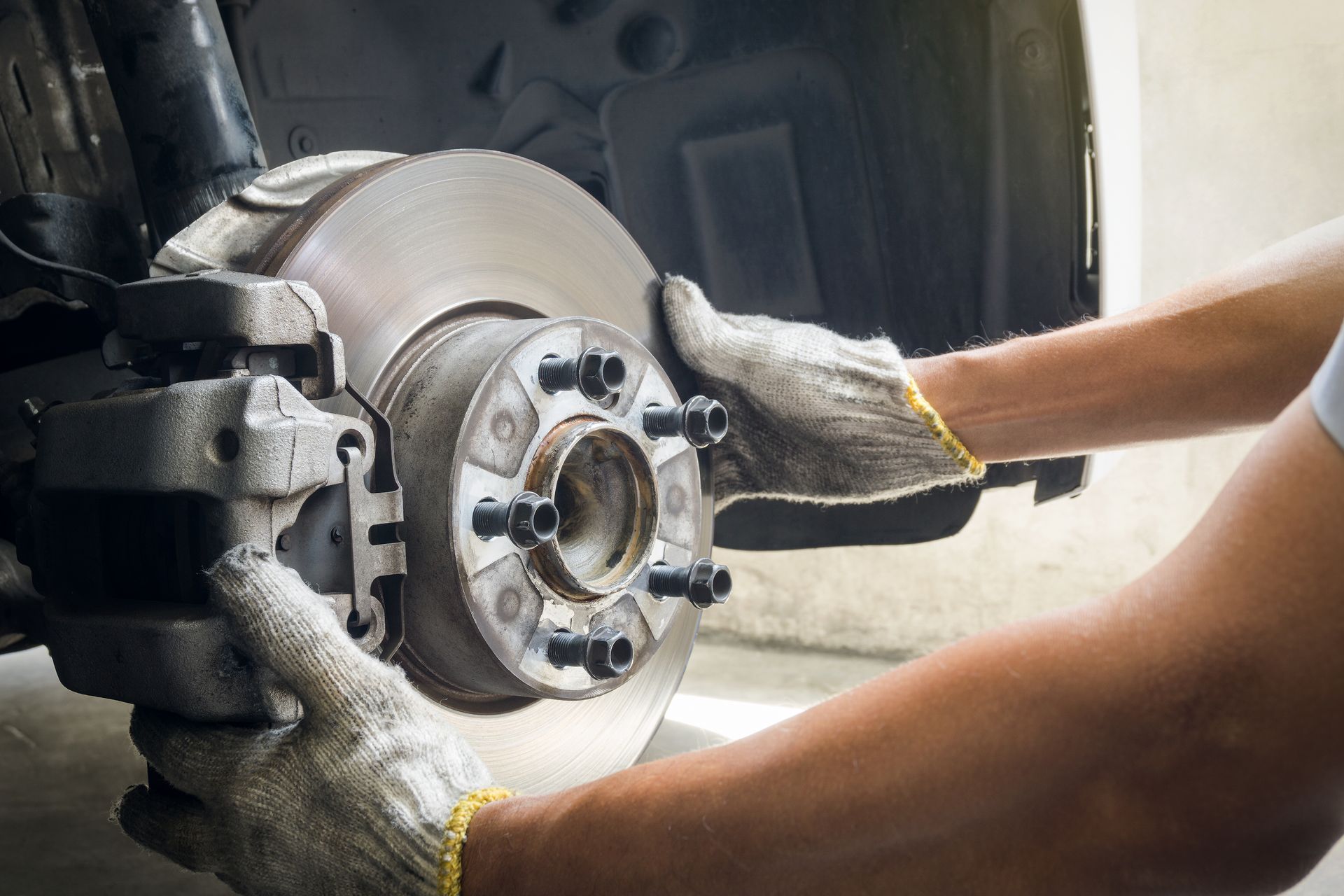
Wheel alignment refers to the adjustment of your car’s suspension system, which connects your vehicle to its wheels. It’s not about adjusting the wheels themselves but rather ensuring they are correctly positioned relative to each other and the road.

When a mechanic performs an alignment, they adjust the angles of the wheels to match the manufacturer’s specifications. These angles include:

  • Camber: The inward or outward tilt of the tire when viewed from the front of the car.
  • Toe: The direction the tires point to each other, either inward (toe-in) or outward (toe-out).
  • Caster: The angle of the steering axis when viewed from the side of the car.

Each of these angles affects how your tires make contact with the road and ultimately how your vehicle handles.

Signs Your Car Needs a Wheel Alignment

Recognizing the signs of misalignment can save you from costly repairs down the road. Here are some common indicators:

  • Uneven Tire Wear
    If you notice one side of your tire wearing out faster than the other, it’s a clear sign of alignment issues.
  • Drifting or Pulling to One Side
    Does your car veer to one side even when you’re driving straight? This is a classic symptom of poor alignment.
  • Steering Wheel Vibration
    Misaligned wheels can cause your steering wheel to shake or vibrate, especially at higher speeds.
  • Off-Center Steering Wheel
    If your steering wheel isn’t centered when driving straight, alignment is likely the culprit.
  • Noisy Tires
    Tires that produce excessive noise might be struggling to make consistent contact with the road.

How is Wheel Alignment Performed?

Performing a wheel alignment requires specialized equipment and a professional touch.

Here’s what typically happens during the process:

  • Inspection: The mechanic checks your tires and suspension system for wear or damage. Any issues are addressed before alignment adjustments.
  • Measurements: Using advanced alignment machines, the technician measures the current angles of your wheels.
  • Adjustments: The suspension is adjusted to bring the camber, toe, and caster angles back into the manufacturer’s specifications.
  • Test Drive: After adjustments, the vehicle is often test-driven to ensure everything feels smooth and handles correctly.

Why Wheel Alignment Matters

Wheel alignment impacts various aspects of your vehicle’s performance and safety. Let’s explore why it’s so important:

1. Improved Fuel Efficiency

Misaligned wheels create additional drag, forcing your engine to work harder and use more fuel. A proper alignment can improve your car’s gas mileage and save you money at the pump.

2. Extended Tire Life

Tires are expensive, and misalignment causes uneven wear, shortening their lifespan. Regular alignments ensure that your tires wear evenly, helping you get the most out of your investment.

3. Enhanced Handling

When your wheels are properly aligned, your car responds better to steering inputs. This makes driving more enjoyable, especially on curvy roads or during emergency maneuvers.

4. Increased Safety

Misaligned wheels can compromise your car’s stability and control, especially in wet or slippery conditions. Proper alignment ensures your vehicle maintains traction and performs safely under all driving conditions.

5. Reduced Wear on Suspension

Poor alignment puts extra stress on your suspension system, leading to premature wear and potential breakdowns. Keeping your wheels aligned can help maintain your car’s overall health.

How Wheel Alignment Enhances Driving Experience

When your wheels are perfectly aligned, your car feels like an extension of you. Here’s how alignment directly enhances your driving experience:

  • Smoother Rides: Misaligned wheels cause vibrations and uneven handling, making drives uncomfortable. Proper alignment eliminates these issues, giving you a smooth ride every time.
  • Precise Steering: Ever felt like you’re fighting with your car to keep it straight? Proper alignment ensures your steering is responsive and effortless.
  • Confidence on the Road: Knowing your car is aligned gives you peace of mind, whether you’re driving on the highway or maneuvering through tight city streets.

How Often Should You Get a Wheel Alignment?

Experts recommend checking your wheel alignment every 6,000 to 10,000 miles or at least once a year. However, you should also have it inspected if you:

  • Hit a pothole or curb.
  • Notice any of the symptoms mentioned earlier.
  • Replace your tires or suspension components.

Regular alignments are a small investment that can save you money and enhance your driving experience in the long run.

Final Thoughts

Wheel alignment may not be the most glamorous aspect of car maintenance, but its importance cannot be overstated.

From improving fuel efficiency and tire longevity to enhancing your overall driving experience, proper alignment is key to keeping your car in top shape.

If you notice any signs of misalignment or it’s been a while since your last alignment check, schedule an appointment with a trusted mechanic.

July 14, 2025
Your car’s air conditioning system is a lifesaver during hot summer days, but it can be concerning when it starts making strange noises, like a hissing
June 13, 2025
The constant velocity (CV) joint is a critical component in a vehicle's drivetrain system. It allows the front wheels to receive power from the engine
May 14, 2025
Does your car's air conditioning system greet you with an unpleasant smell every time you turn it on? Bad odours from the AC system are not only
March 12, 2025
Driving along the highway, you notice a sudden drop in speed, and your dashboard flashes the dreaded "Engine Power Reduced" warning.
February 12, 2025
Just as a seasoned sailor knows the importance of regular checks to make sure their ship is seaworthy, you must not overlook the necessity of frequent
January 15, 2025
Curious about how long tie rods last? Typically, tie rods can last between 50,000 and 100,000 miles, but rough driving conditions may shorten their lifespan.
December 12, 2024
Wondering how often you should change the air filter in your car? Regularly replacing your vehicle's air filter every 12,000 to 15,000 miles is crucial for maintaining engine performance and fuel efficiency.
November 12, 2024
Hearing a humming noise while driving? Learn how to identify the source of the noise, understand potential repairs, and maintain your vehicle to prevent these disturbances.
October 11, 2024
Discover the importance of spark plug lifespan in maintaining your vehicle's performance. Timely replacements and proper maintenance can prevent engine issues and enhance fuel efficiency.
September 11, 2024
Understanding how a car battery works and how this vital component operates helps in maintaining your vehicle's performance and troubleshooting common issues like difficulty starting or dimming lights.
Show More