Diagnosing Your Car: Understanding the Humming Noise While Driving


November 12, 2024

Just as Sherlock Holmes listened intently to uncover the subtlest clues in his mysteries, you might find yourself honing in on a peculiar humming noise emanating from your car as you drive. This sound, persistent and often puzzling, could signal anything from wheel bearing issues to more complex differential problems.

You’re likely wondering what the cause is and, more importantly, how you can fix it. Identifying the root of such disturbances is essential, not just for your vehicle’s performance but also for your safety. Let’s explore what could be causing this auditory anomaly and how to address it.

Identifying Common Causes

Identifying the common causes of a humming noise while driving can help you quickly address and resolve potential vehicle issues. When you hear that unsettling hum, it’s not just your car speaking; it’s asking for your attention.

Common culprits behind this noise might be issues with your car’s engine or a failing torque converter, each an essential component under the hood. These problems could cause that humming sound to vary with your vehicle’s load and speed. It’s important to check these elements regularly.

Tires and Wheel Bearings

Uneven tire treads and faulty wheel bearings are often to blame for that annoying humming noise you hear while driving. When your tires aren’t aligned properly, it leads to tire cupping and uneven tire treads, disrupting your smooth driving experience.

Regular checks on tire pressure can help avoid these issues and keep you part of the smoothly cruising crowd.

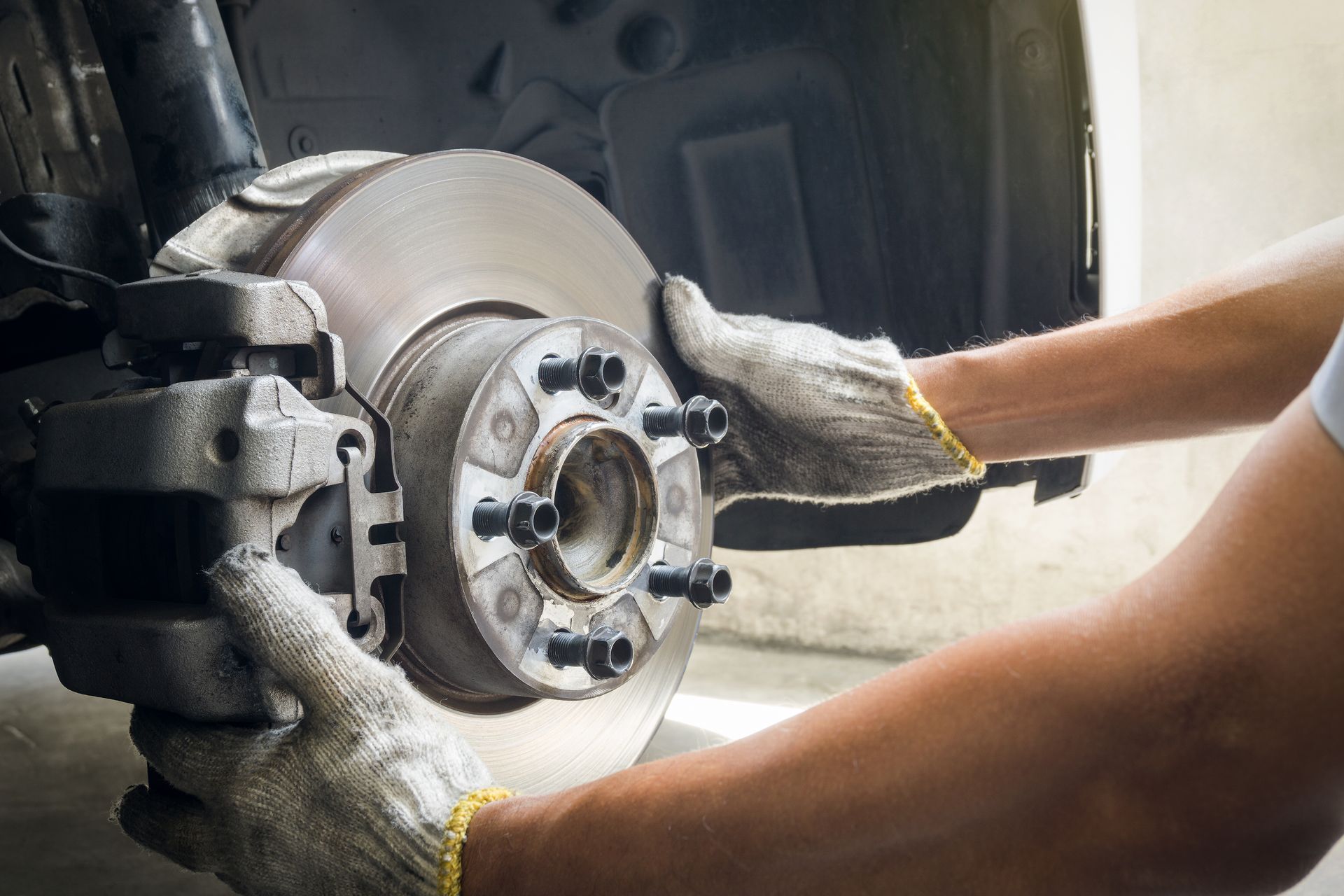
Similarly, bad wheel bearings often manifest as humming noises that intensify or change with your vehicle’s speed. These noises are more pronounced when turning or changing lanes, indicating worn or damaged wheel bearings.

It’s essential to stay on top of tire and wheel bearing maintenance. It doesn’t just reduce those pesky noises; it also ensures your safety and connectivity on the road.

Differential and Drivetrain Issues

Beyond tires and wheel bearings, differential and drivetrain issues are another common source of humming noises while you drive.

Understanding these symptoms becomes essential when you’re part of a community that values smooth and sound rides.

Differential issues often stem from low fluid levels or worn gears, both of which can greatly degrade a car’s performance.

Similarly, driveshaft problems may manifest as loose or damaged components, contributing further to the unwanted humming noise.

Don’t overlook these signs; a timely diagnosis can prevent more severe drivetrain damages and keep you safely in sync with the road and your fellow drivers.

Transmission Troubleshooting

When troubleshooting transmission issues, it’s essential first to identify common symptoms like humming noises.

Identifying Transmission Issues

If you hear a humming noise while driving, your transmission is likely experiencing issues. This could indicate that you’re not alone in facing car troubles. Many drivers encounter similar challenges, and understanding the key points is the first step towards resolution.

Here are some important factors to take into account when diagnosing and resolving transmission issues:

  • Check the transmission fluid: Low or dirty fluid can lead to rough shifting and humming.
  • Observe gear behavior: Slipping gears or delayed engagement are telltale signs.
  • Inspect faulty sensors and solenoids: These components are vital for proper transmission function.
  • Listen for changes in noise: Persistent or worsening hums need immediate attention.

Common Transmission Symptoms

As you troubleshoot transmission issues, common symptoms such as difficulty shifting and whining sounds may suggest underlying problems. You’re not alone in this; many drivers experience similar challenges.

Checking the condition of the transmission fluid and components, including torque converters, can provide insights into your vehicle’s transmission health.

Don’t hesitate to seek a diagnostic check from a trusted mechanic. Together, you’ll figure out the best approach to tackle these issues, ensuring your car remains a reliable companion.

Transmission Maintenance Tips

Regularly check and change your transmission fluid every 30,000 to 60,000 miles to prevent costly repairs and guarantee smooth operation. This is a cornerstone of responsible car care that keeps you and your vehicle on the road confidently.

Here are a few transmission maintenance tips to help you avoid those worrying humming noises and make sure your car remains in tip-top shape:

  • Check for Leaks: Regularly inspect your transmission for signs of leaks. A small drip can lead to big problems.
  • Monitor Fluid Quality: Confirm the fluid isn’t burnt or dirty, which can cause rough shifting.
  • Listen for Humming Noises: These often signal transmission issues; don’t ignore them.
  • Follow the Recommended Schedule: Stick to your manufacturer’s maintenance plan to prevent unexpected transmission troubles.

Engine and Component Concerns

When your car makes a humming noise, engine misalignment issues and worn drive belts are common culprits.

Engine Misalignment Issues

Engine misalignment often increases vibration and noise, compromising your vehicle’s performance. When your car’s engine isn’t aligned correctly, it doesn’t just feel off it can cause lasting damage.

Here’s why you should care:

  • Unusual Vibrations: Misaligned engine mounts lead to noticeable shaking.
  • Rattling Noises: Components may start rattling, a clear sign something’s not right.
  • Decreased Performance: An engine struggling to perform typically indicates misalignment.
  • Prevent Further Damage: Addressing this early protects other surrounding components from stress.

Worn Drive Belts

Worn drive belts often cause a humming noise that can signal deeper issues with your vehicle.

These belts, essential for running your engine smoothly, can create a humming sound if they slip or become misaligned. Regularly inspecting and replacing these engine belts can silence the noise and enhance your car’s overall performance.

Ensuring proper tension and alignment eliminates potential problems and keeps you confidently on the road. Remember, addressing these issues isn’t just about maintenance; it’s about preserving the joy and safety of your driving experience.

Noise Diagnosis Techniques

To diagnose the source of a humming noise while driving, use a mechanic’s stethoscope to identify where the noise originates precisely.

Here’s how you can pin down that pesky humming noise, making sure you’re not alone in this:

  • Conduct a Road Test: Notice when the noise occurs, whether it’s at specific speeds or during particular driving conditions.
  • Inspect for Uneven Tire Wear: This common issue might be your culprit.
  • Check Worn Wheel Bearings and Damaged Transmission Components: These areas are critical to assess.
  • Evaluate Differential Fluid Levels and Driveshaft: Ensuring these are in top shape is key.

Effective Repair Solutions

You’ll find that addressing the humming noise often starts with considering one of several key repair solutions. If it’s a wheel issue, wheel bearing replacement, typically costing around $350 per wheel, tackles one of the most common causes.

Transmission repairs might be necessary for problems stemming from the powertrain. Depending on the severity, they can cost from $300 to a significant $3,000. Don’t overlook differential repair, which is essential for resolving humming noise. The costs vary by case.

Alternator belt replacement, at about $100-200, and leaky exhaust pipes repair, ranging $150 to $350, are also effective repair solutions. Remember, understanding these costs helps in planning your approach to eliminate those annoying humming noise issues.

Maintenance Tips for Prevention

While understanding repair solutions is important, properly maintaining your vehicle can help you avoid the onset of humming noises. 

Sticking to a few key practices will ensure your car remains a reliable companion on the road.

  • Regular Checks of Tire Pressure: Ensuring correct tire pressure prevents uneven wear and reduces the risk of humming noise.
  • Adhering to the Recommended Maintenance Schedule: This includes timely oil changes and alignments, vital for preventing potential issues.
  • Early Detection Through Visual Inspections: Regularly inspect your vehicle to catch and address any irregularities before they escalate.
  • Follow Up on Alignments: Proper alignments are essential to keep your vehicle running smoothly and quietly.

Expert Assistance and Advice

Seeking expert assistance from certified technicians like Ron, Chris, or Mike V. can greatly enrich the accuracy of diagnosing humming noises in your vehicle.

Engaging with these skilled technicians, who’ve garnered praise for efficient resolution in over 100,000 cases, guarantees you’re not alone in addressing your automotive concerns.

Their specialized certifications in ASE, Ford, Cummins, and GM Grand Master Technician status equip them with the precise expertise needed for an accurate diagnosis and cost-effective solutions.

Conclusion

You’ve now ventured through the labyrinth of your car’s humming noises, uncovering potential culprits from tires to transmissions.

Remember, taking care of these sounds early is like steering clear of potholes on the road to ruin. Keep up with regular check-ups and don’t hesitate to seek expert advice.

By staying vigilant and proactive, you can guarantee that your ride will remain smooth and your journey safe. So, listen closely to your car—it’s often telling you exactly what it needs.

By Marlin's Auto Service April 20, 2026
When your car starts making a popping noise as you press the gas and the power delivery feels rough or weak, it can be both annoying and worrying.  A healthy car should accelerate smoothly without strange sounds. Popping noises usually mean something is not working the way it should, and the loss of smooth power […] The post Car Makes Popping Noise When Accelerating and Loses Smooth Power appeared first on Marlin’s Auto Service.
By Marlin's Auto Service March 14, 2026
When you notice wet spots near a wheel that smell sharp or oily, it is not something to ignore. Brake fluid leaking near a wheel is a serious warning sign. Your brakes rely on sealed pressure to stop your car.  Once that pressure drops, braking power fades fast. Many drivers think small leaks are harmless, […] The post Brake Fluid Leaking Near Wheel Causes That Can Lead to Brake Failure appeared first on Marlin’s Auto Service.
By Marlin's Auto Service February 13, 2026
If you own a diesel vehicle and use synthetic oil, you’re already making a smart move to protect your engine. But even the best oil doesn’t last forever. So the big question is: how often should you change synthetic oil in a diesel engine? Let’s break this down in simple terms. No confusing jargon. Just […] The post Synthetic Oil in Diesel How Often Should You Change It appeared first on Marlin’s Auto Service.
By Marlin's Auto Service January 14, 2026
Your car’s engine needs coolant just like your body needs water. Without it, the engine can get too hot and start to break down.  Coolant leaks may start small, but if you don’t catch them early, they can lead to serious engine problems.  In this article, we’ll break down the common warning signs of coolant […] The post Warning Signs and Fixes for Coolant Leak Symptoms appeared first on Marlin’s Auto Service.
By Marlin's Auto Service December 15, 2025
When you think about car safety, seat belts, airbags, and brakes might come to mind first. But what about your tires? They play a huge role in keeping you safe on the road.  A problem like a bubble in your tire might not seem like a big deal, but it can turn into a serious […] The post How to Detect a Bubble in Tire Before It Bursts appeared first on Marlin’s Auto Service.
By Marlin's Auto Service November 14, 2025
If you’re driving and suddenly see the ABS light pop up on your dashboard, it can be a little scary.  Don’t worry—your brakes haven’t completely failed. But that light is trying to tell you something important. It’s linked to your Anti-lock Braking System (ABS), a safety feature that helps you stop safely without skidding or […] The post How to Diagnose and Clear an ABS Light Meaning Error Code appeared first on Marlin’s Auto Service.
By Marlin's Auto Service October 14, 2025
Your car’s windshield is more than just a piece of glass; it’s a critical safety feature. It protects you from external elements, maintains the structural integrity of your vehicle, and provides clear visibility.  But what happens when it gets cracked? Should you ignore it, repair it, or replace it altogether?  In this guide, we’ll walk […] The post When and How to Repair a Cracked Windshield appeared first on Marlin’s Auto Service.
By Marlin's Auto Service September 12, 2025
Brakes are one of the most critical components of your vehicle’s safety system. When they start acting up, it’s essential to understand the issue and take quick action.  One common problem that many drivers face but might not fully understand is “glazed brakes.”  This blog post will dive into what glazed brakes are, how they […] The post What Are Glazed Brakes and How to Address Them appeared first on Marlin’s Auto Service.
July 14, 2025
Your car’s air conditioning system is a lifesaver during hot summer days, but it can be concerning when it starts making strange noises, like a hissing
June 13, 2025
The constant velocity (CV) joint is a critical component in a vehicle's drivetrain system. It allows the front wheels to receive power from the engine
Show More