Planning Your Car Maintenance: How Often to Conduct Comprehensive Inspections


February 12, 2025

Just as a seasoned sailor knows the importance of regular checks to make sure their ship is seaworthy, you must not overlook the necessity of frequent thorough inspections for your car. Generally, scheduling these check-ups every 5,000 to 7,500 miles is wise to prevent minor issues from evolving into major headaches.

But have you considered the signs that might indicate your vehicle needs immediate attention, even before reaching these milestones? Let’s explore what specific symptoms could signal the need for an earlier inspection, potentially saving you from unexpected breakdowns and costly repairs. Curious about what these signs might be?

Understanding Vehicle Maintenance Needs

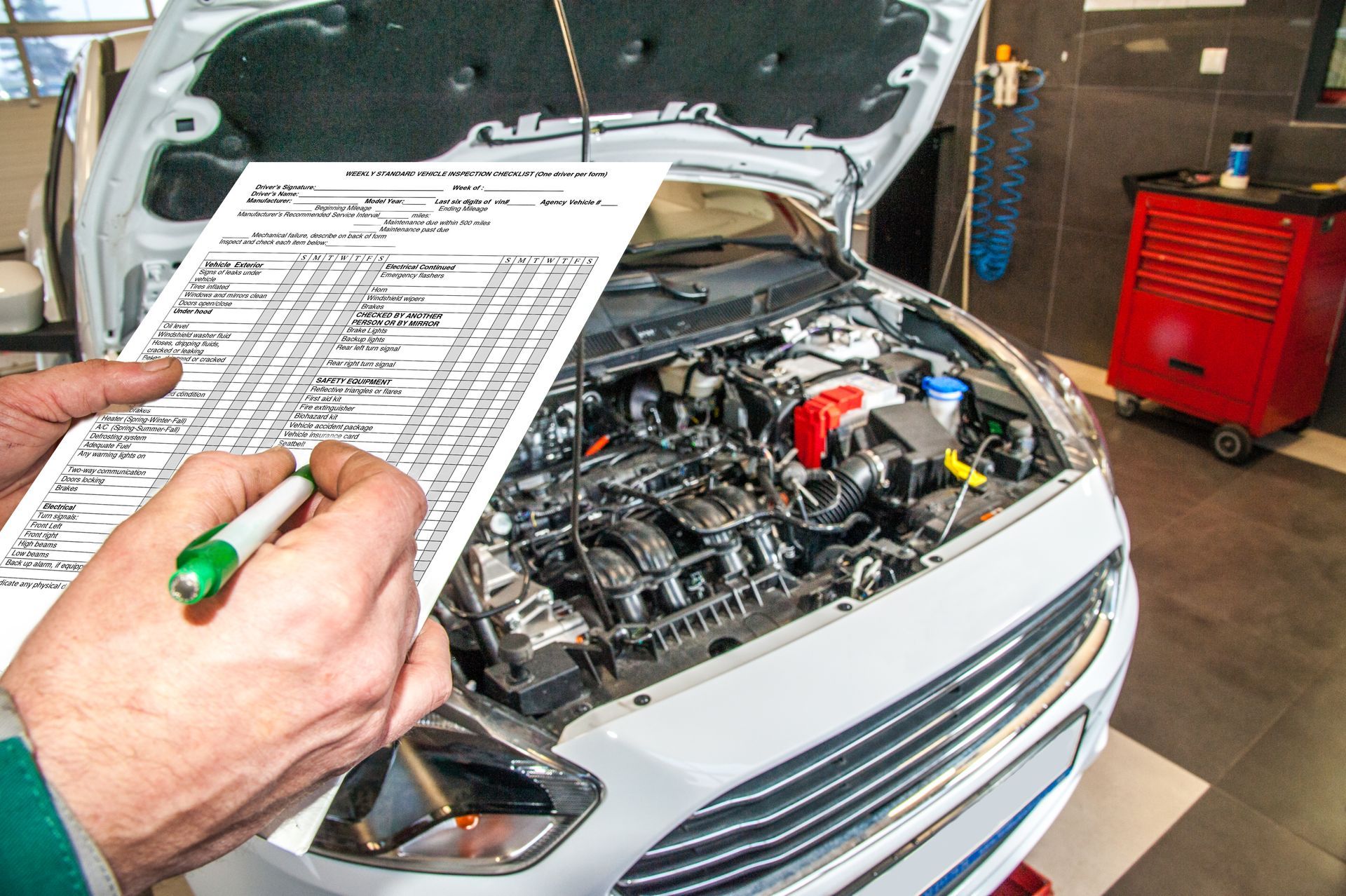
To uphold your vehicle’s peak performance and safety, it’s important to conduct thorough inspections every 5,000 to 7,500 miles, considering your specific driving conditions and habits. These inspections are vital because they adapt to your unique maintenance needs, ensuring that your car remains in top condition.

Regular inspections aren’t just about following a schedule; they’re about understanding how your driving habits influence your car’s health. 

If you frequently travel on rough terrain or in extreme weather, your vehicle might require more frequent checks to avoid unexpected breakdowns. This proactive maintenance approach helps identify potential issues before they require costly repairs.

It’s essential to remember that each part of your vehicle has its role in your overall driving experience. Thorough inspections cover everything from engine performance and fluid levels to brakes and tire conditions.

Mileage-Based Inspection Intervals

Building on the foundation of regular vehicle inspections, you should also adhere to specific mileage-based intervals for thorough checks. Mileage-based inspections are pivotal in guaranteeing that your vehicle remains in peak condition.

Based on manufacturer recommendations, these detailed checks at 30,000, 60,000, and 100,000 miles aren’t just suggestions—they are essential for your car’s longevity and reliability.

These intervals assess critical systems that could deteriorate over time due to wear and tear. By following these prescribed service intervals, you’re not only maintaining vehicle safety but also enhancing overall performance.

Adhering to these guidelines ensures you’re aligned with the best practices for top-notch maintenance. Remember, these aren’t arbitrary numbers. Each milestone is a checkpoint for your vehicle’s health, directly impacting its functionality and reliability.

Engaging in mileage-based inspections helps prevent major breakdowns, safeguarding your mobility and investment. This approach is integral to maintaining the high vehicle safety and performance standards you rely on.

Seasonal Maintenance Tips

As the seasons change, so should your car maintenance strategy to ensure you’re always driving safely.

Winter Preparation Essentials

Preparing your vehicle for the colder months involves several essential steps to guarantee safety and peak performance. First, consider installing winter wiper blades to maintain ideal visibility during snowfalls. These blades are designed to resist freezing and handle the accumulation of ice and snow on your windshield.

Next, check your battery performance. Cold temperatures can greatly reduce a battery’s efficacy, compromising your cold weather readiness. A battery load test will confirm whether a replacement is necessary before the temperatures drop.

Switching to winter tires is also important for enhancing traction on snowy and icy conditions. Winter tires are made from a softer rubber compound that remains flexible in cold weather, providing better grip than all-season tires.

Additionally, maintaining the correct coolant levels is crucial. Make sure you have a proper 50/50 mix of antifreeze and water to prevent freezing and engine damage.

Summer Care Strategies

While winter demands specific adjustments, summer also requires maintenance strategies to keep your car in top condition. As you gear up for warmer months, it’s important to focus on several key areas to ensure your vehicle performs well in warm weather conditions.

Firstly, consider switching to summer tires. These are designed to handle the heat and provide better traction and performance during summer. Also, don’t overlook your coolant levels; maintaining a proper mix is essential for your engine’s summer readiness. A low or deteriorated coolant can lead to overheating, so check and adjust it as necessary.

Next, inspect your air conditioning system. Proper functioning is vital for your comfort and safety, as it helps you stay focused and alert by maintaining a comfortable cabin temperature. Similarly, evaluate your vehicle’s battery, which can be severely affected by high temperatures. Ensure it’s in good condition, as the heat can accelerate battery wear.

Lastly, replace your windshield wipers annually. Summer storms require good visibility, and fresh wipers help clear your windshield effectively.

Incorporating these thorough inspections into your summer care strategies will keep your car reliable and ready for the season.

Long-Term Vehicle Care

Adhering to scheduled maintenance intervals is crucial as you plan your vehicle’s long-term care.

Scheduled Maintenance Intervals

Adhere to scheduled maintenance intervals at 30,000, 60,000, and 100,000 miles to guarantee your vehicle’s longevity and peak performance. These milestones are crucial for ensuring that your car remains a reliable companion on the road.

Here’s what to expect during these major service intervals:

  • Comprehensive Checks: Thorough inspections of all major systems to identify any potential issues.
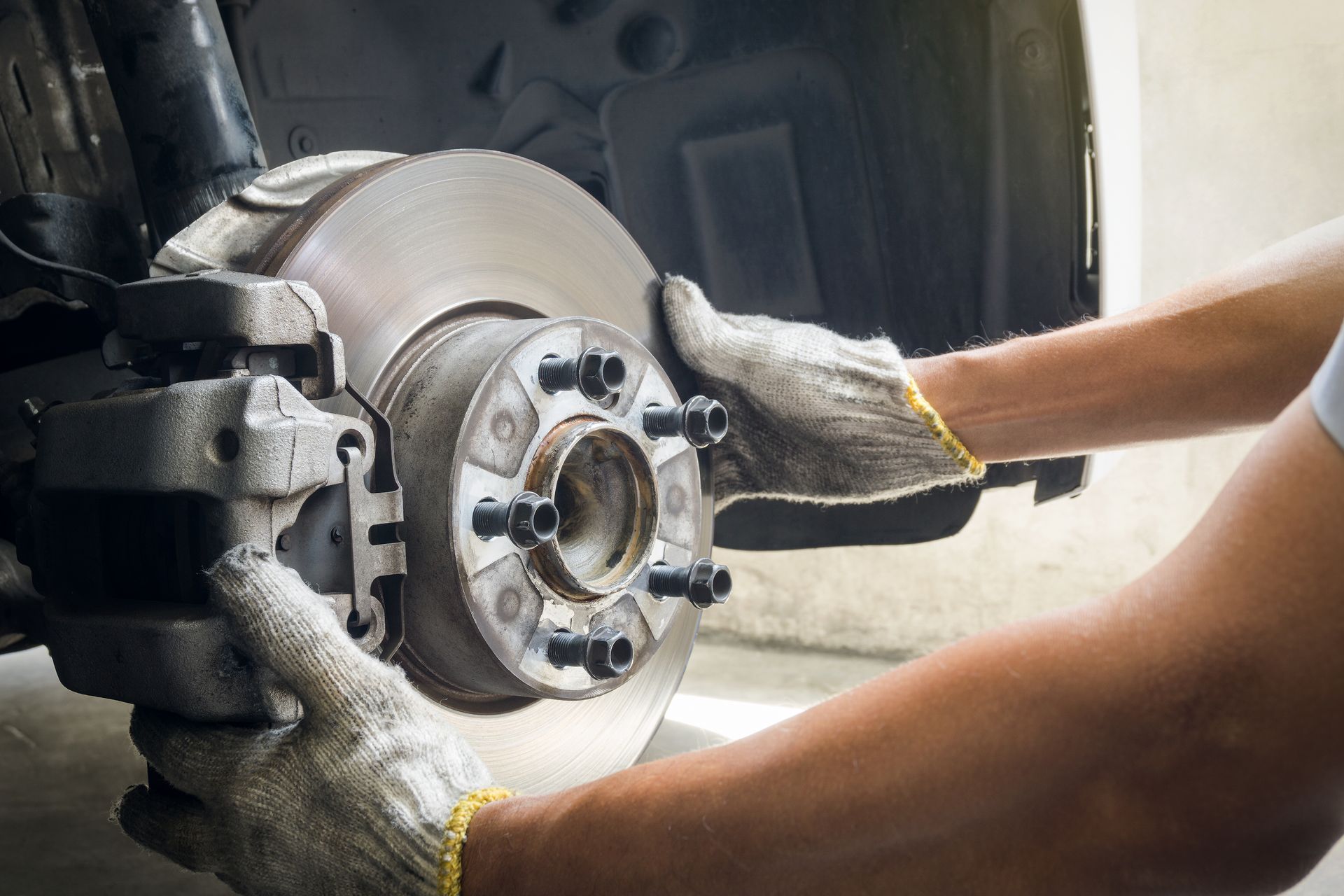
  • Critical Systems Review: Special focus on brakes, transmission, and engine, which are essential for your car’s performance.
  • Fluid Replacements: Changing of essential fluids like engine oil, brake fluid, and coolant to prevent corrosion and wear.
  • Filter Changes: Replacement of air, fuel, and cabin filters to maintain clean airflow and engine efficiency.
  • Tire and Suspension Analysis: Ensuring tires are rotated and balanced, and suspension components are in good condition.

Preventive Measures Importance

Understanding the importance of preventive measures in long-term vehicle care is key to maintaining your car’s health and efficiency. By adhering to a schedule of regular inspections, you’re not just ticking boxes; you’re making sure that every component functions at its best. This kind of diligent long-term care is what keeps your vehicle running smoothly and reliably.

Preventive maintenance isn’t just about following a checklist—it’s about understanding your car’s needs and responding proactively. Thorough inspections are essential because they allow for the early identification of potential issues that, if left unchecked, could lead to costly repairs or even severe mechanical failures.

These inspections are your first line of defense against breakdown prevention, safeguarding your investment and your peace of mind.

Moreover, consistent maintenance checks boost your car’s performance. They ensure that systems are operational and functioning efficiently, which can greatly extend the lifespan of your vehicle.

Signs of Required Maintenance

You’ll notice your car needs maintenance if encounter unusual noises, vibrations, or warning lights. Regularly inspect your car to catch these cues early, securing your safety and avoiding significant safety risks.

Let’s delve into some specific signs that demand your attention:

  • Unusual Noises: Listen for any out-of-the-ordinary sounds. Squealing brakes, for example, are a clear call for a professional check.
  • Warning Lights: Don’t ignore these critical safety alerts on your dashboard; they’re designed to help maintain your vehicle in top condition.
  • Vibrations: If your steering wheel or pedals start shaking, it might indicate alignment issues or other mechanical needs.
  • Fluid Leaks: Spots under your car can point to fluid loss, necessitating immediate attention to prevent further damage.
  • Strange Smells: A burning or chemical odor can indicate overheating or leaks, which are significant safety concerns.

Choosing the Right Service Provider

Choosing a certified service provider guarantees that your vehicle receives expert care and preserves its peak performance. When selecting a service provider for car maintenance, it’s important to consider credentials like ASE certification and AAA approval. These certifications aren’t just badges; they signify a provider’s dedication to quality and industry-recognized expertise.

Take a look at the proximity of your chosen service provider. A conveniently located workshop saves you time and enhances the practicality of regular visits.

Explore online reviews and ratings. These are invaluable in evaluating the service provider’s real-world performance. High ratings and positive reviews often reflect a history of customer satisfaction and reliable service.

Don’t overlook the significance of specialization. A service provider with expertise in your car’s make and model can offer more precise and knowledgeable service.

Additionally, inquire about warranty coverage. This is important as it protects you against future faults and ensures that the service is of a quality that the provider is willing to stand behind.

Conclusion

Picture your car as a seasoned mariner, charting the vast seas of asphalt. Just as a ship requires regular checks to guarantee its seaworthiness, your vehicle demands meticulous inspections.

By following mileage-based intervals and seasonal guidelines, you can keep your automotive vessel strong against wear and tear.

Choose a skilled navigator—a reliable service provider—to lead this journey, guaranteeing your ship sails smoothly and safely through the storms of breakdowns and costly repairs.

By Marlin's Auto Service April 20, 2026
When your car starts making a popping noise as you press the gas and the power delivery feels rough or weak, it can be both annoying and worrying.  A healthy car should accelerate smoothly without strange sounds. Popping noises usually mean something is not working the way it should, and the loss of smooth power […] The post Car Makes Popping Noise When Accelerating and Loses Smooth Power appeared first on Marlin’s Auto Service.
By Marlin's Auto Service March 14, 2026
When you notice wet spots near a wheel that smell sharp or oily, it is not something to ignore. Brake fluid leaking near a wheel is a serious warning sign. Your brakes rely on sealed pressure to stop your car.  Once that pressure drops, braking power fades fast. Many drivers think small leaks are harmless, […] The post Brake Fluid Leaking Near Wheel Causes That Can Lead to Brake Failure appeared first on Marlin’s Auto Service.
By Marlin's Auto Service February 13, 2026
If you own a diesel vehicle and use synthetic oil, you’re already making a smart move to protect your engine. But even the best oil doesn’t last forever. So the big question is: how often should you change synthetic oil in a diesel engine? Let’s break this down in simple terms. No confusing jargon. Just […] The post Synthetic Oil in Diesel How Often Should You Change It appeared first on Marlin’s Auto Service.
By Marlin's Auto Service January 14, 2026
Your car’s engine needs coolant just like your body needs water. Without it, the engine can get too hot and start to break down.  Coolant leaks may start small, but if you don’t catch them early, they can lead to serious engine problems.  In this article, we’ll break down the common warning signs of coolant […] The post Warning Signs and Fixes for Coolant Leak Symptoms appeared first on Marlin’s Auto Service.
By Marlin's Auto Service December 15, 2025
When you think about car safety, seat belts, airbags, and brakes might come to mind first. But what about your tires? They play a huge role in keeping you safe on the road.  A problem like a bubble in your tire might not seem like a big deal, but it can turn into a serious […] The post How to Detect a Bubble in Tire Before It Bursts appeared first on Marlin’s Auto Service.
By Marlin's Auto Service November 14, 2025
If you’re driving and suddenly see the ABS light pop up on your dashboard, it can be a little scary.  Don’t worry—your brakes haven’t completely failed. But that light is trying to tell you something important. It’s linked to your Anti-lock Braking System (ABS), a safety feature that helps you stop safely without skidding or […] The post How to Diagnose and Clear an ABS Light Meaning Error Code appeared first on Marlin’s Auto Service.
By Marlin's Auto Service October 14, 2025
Your car’s windshield is more than just a piece of glass; it’s a critical safety feature. It protects you from external elements, maintains the structural integrity of your vehicle, and provides clear visibility.  But what happens when it gets cracked? Should you ignore it, repair it, or replace it altogether?  In this guide, we’ll walk […] The post When and How to Repair a Cracked Windshield appeared first on Marlin’s Auto Service.
By Marlin's Auto Service September 12, 2025
Brakes are one of the most critical components of your vehicle’s safety system. When they start acting up, it’s essential to understand the issue and take quick action.  One common problem that many drivers face but might not fully understand is “glazed brakes.”  This blog post will dive into what glazed brakes are, how they […] The post What Are Glazed Brakes and How to Address Them appeared first on Marlin’s Auto Service.
July 14, 2025
Your car’s air conditioning system is a lifesaver during hot summer days, but it can be concerning when it starts making strange noises, like a hissing
June 13, 2025
The constant velocity (CV) joint is a critical component in a vehicle's drivetrain system. It allows the front wheels to receive power from the engine
Show More